coding lanes in parallel, each with its own subagents
3,700+
tasks live or merged to main since August 22, 2026, one person directing
18%
of 1,366 tasks were sent back by an independent AI reviewer before landing. Three in four passed after repair.
91%
of changes now land on main within 4 hours of first commit, up from 65% three weeks earlier
01 · How I work
01
Build only through agents
I set the goal, rank the work and judge the result. The agents write and ship all of the code.
02
Find where they break
Work that stalls, output that looks finished but is not, checks that block work for no reason: I log each point where a human had to step in.
03
Measure and automate
Each break becomes a metric, a check or an automatic fix, so the fleet keeps running without someone watching it.
02 · What the measurement shows
Faster, and so far no more fragile.
Over three weeks, more changes reached main within 4 hours, and rollbacks fell from 5 a week to none. The trend is thin: 7 rollbacks in 1,555 changes. I can't yet separate the effect of my checks from other things that changed in the same weeks, like model updates and the mix of tasks.
Landed within 4 hours of first commit
Share of changes merged to main, by week
Data
Week
Landings
Within 4 h
Oct 19–25
466
65%
Oct 26 – Nov 1
593
86%
Nov 2–6, partial week
470
91%
Rollbacks per 100 changes
Changes on main that had to be reverted, by week
Data
Week
Landings
Rolled back
Per 100
Oct 19–25
466
5
1.07
Oct 26 – Nov 1
593
2
0.34
Nov 2–6, partial week
470
0
0.00
A failure, caught at night
Nov 1, 2026. Times in ET.
A change lands on main that makes the phone and the server write a one-round score differently ("1 round" vs "1 rounds").
The full test run on main fails. A watcher agent traces the failure to that change in 14 seconds.
The revert lands on main. No human involved, and saved scores were never affected.
Weeks run Monday to Sunday, from the first full week after the landing queue started on Oct 18, 2026. The first week includes a backlog of older work. Rollback counts are small: 7 of 1,555 landings in total.
03 · Case studies
Case study 1 · The test bed
An AI-driven training app
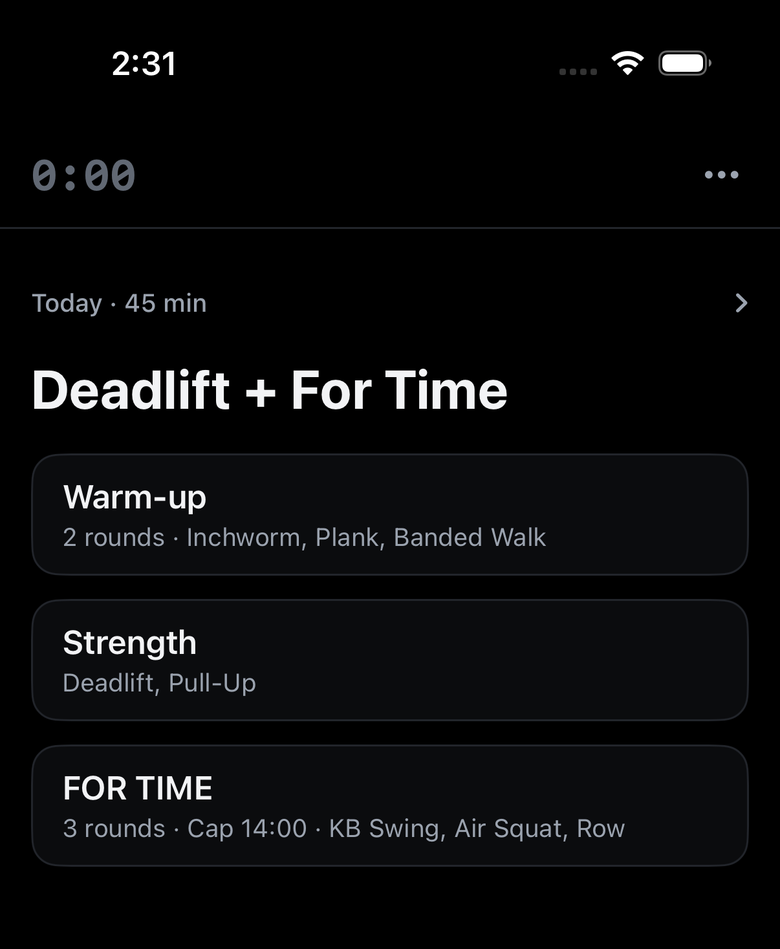
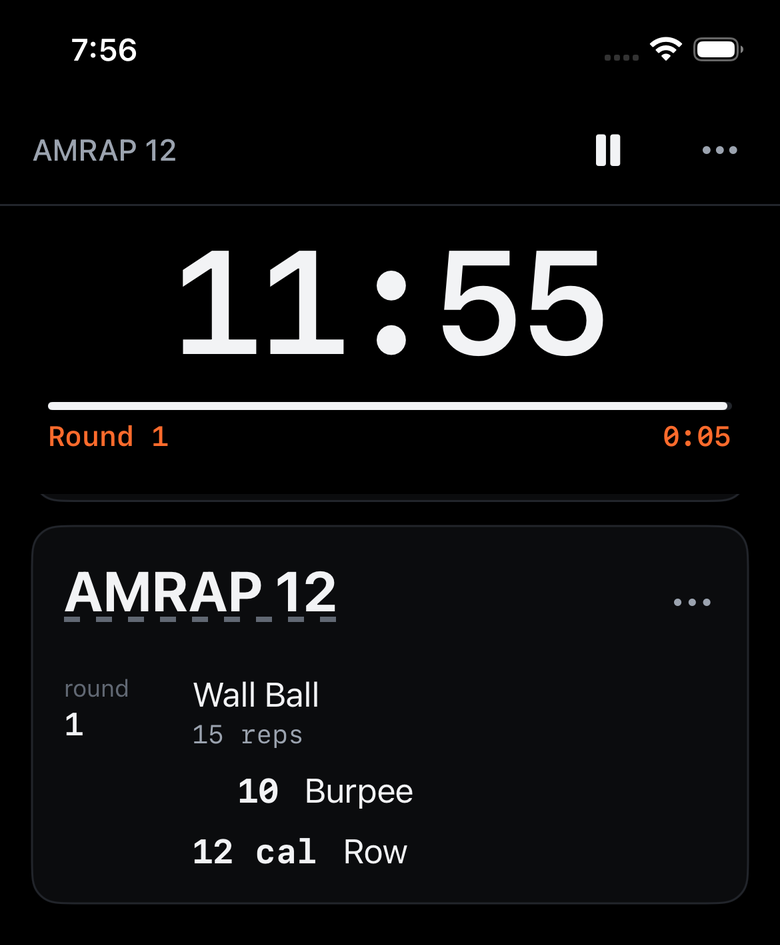
An athlete-facing, multi-user training app for iOS and web: AI workout planning, timed execution and completion, equipment and injury constraints, and a persistent training history. Native iOS and web clients on a Rust backend, both shipped by agents through the same task board.
Built byOne person directing parallel AI coding agents
Where it breaksAI workouts that look right but miss a detail, and features that look present but do not work
How it is measuredA rubric-based AI judge scores saved cases, calibrated by hand, and AI failures are counted over time. A separate referee agent scores generated workouts against established coaching rules for workout design, so the generator never grades itself.
Case study 2 · The method
Running a fleet of coding agents
A scheduler assigns ranked backlog work to parallel coding lanes; independent agents review changes, a serialized landing queue integrates them, and separate nightly automation attempts production releases. A phone dashboard shows each lane, work that is stuck, and whether the task board matches what actually shipped.
Where it breaksWork left behind between stages, and stalls that need a human nudge
What I builtStuck work shown as one clear action with a one-tap fix, and sync checks that compare the board against what actually merged instead of trusting agent reports
How it is measuredTime from first commit to merged, how often reviewers send work back, and how often a landed change has to be rolled back
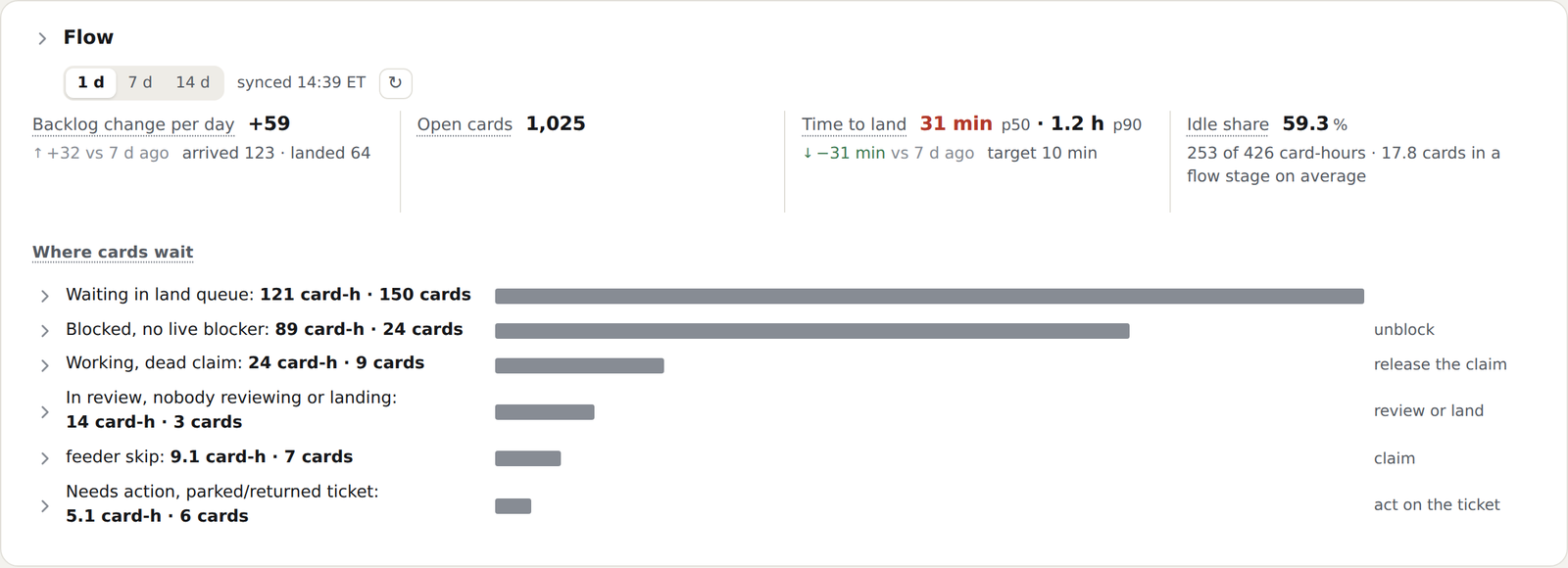
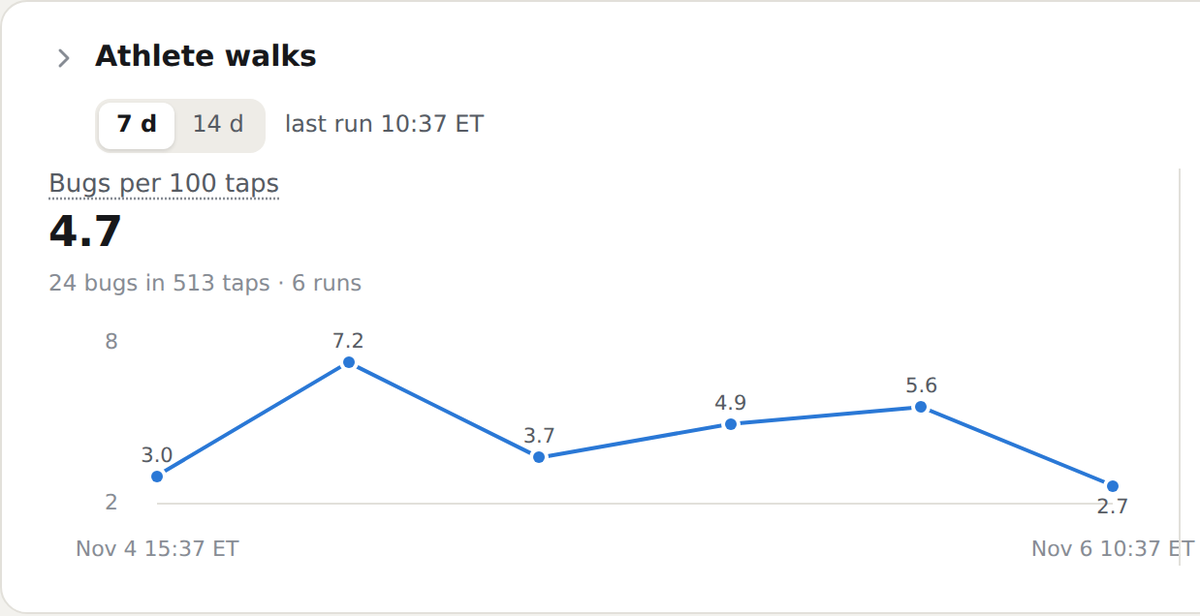
From the live fleet dashboard
Real screenshots, taken Nov 6, 2026, 2:41 PM ET. The dashboard changes every day; task IDs and the app's name are hidden.
Swipe an image sideways, or tap it to open full size.
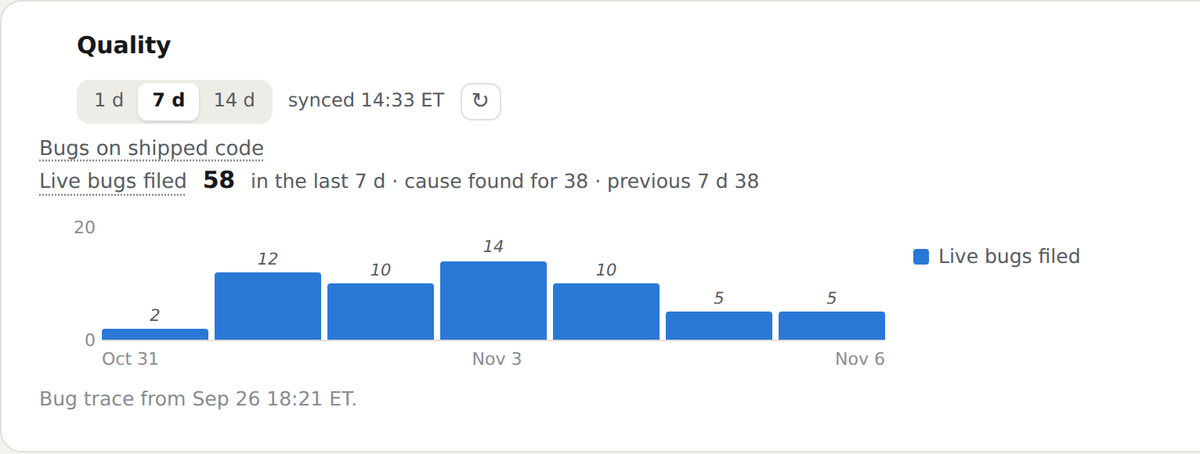
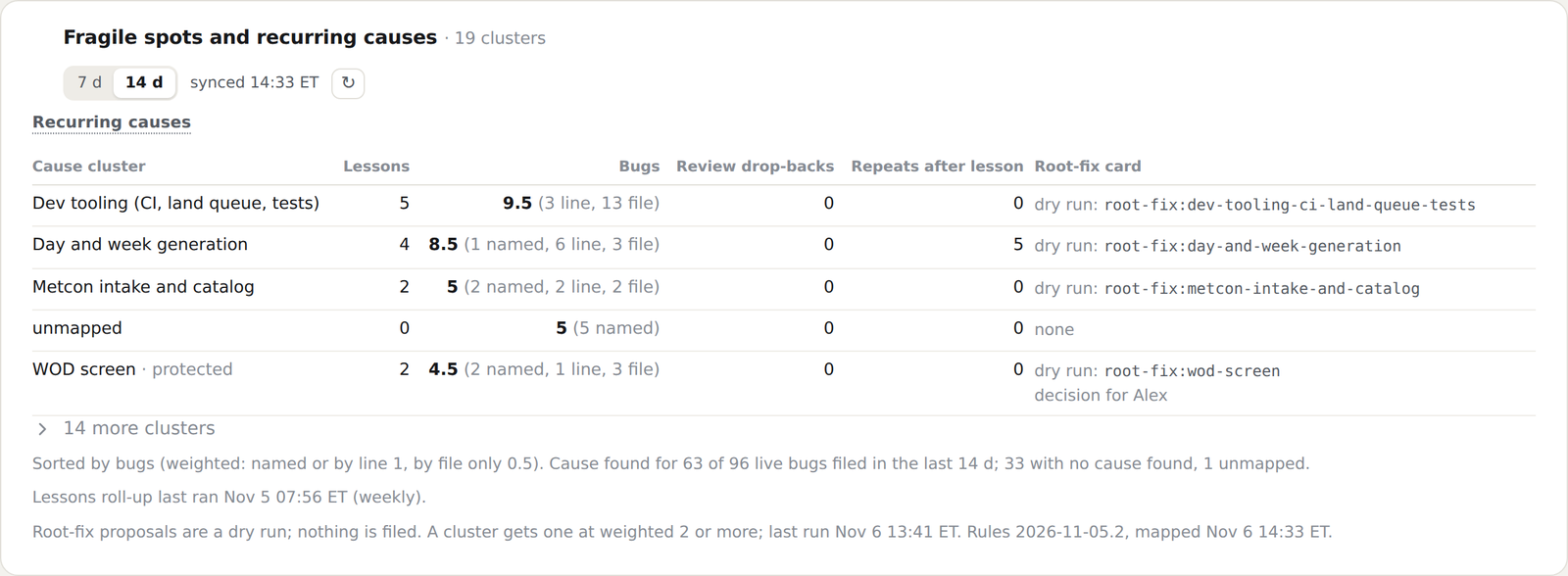
Where work waits right now. Each row names the action that clears it.Automated walks through the app, the way an athlete uses it. Bugs per 100 taps: 4.7 over the week, 2.7 in the latest run.Bugs found in shipped code fell from 12–14 a day to 5 this week. The cause was found for 38 of 58.Share of the app's code still on the old technology: down from 43.8% to 38.4% since Oct 24, as agents migrate it.Recurring bug causes, grouped. Of the four largest clusters with written lessons, three had no repeat bugs afterwards. In day-and-week generation the same kind of bug came back 5 times, so it is flagged for a root fix in code.
04 · The stack
Build
Claude Code in parallel lanes
Parallel coding lanes run on an always-on workstation, with Claude Code as the implementer in each lane. Independent agents review every change before a single landing queue merges it to main.
Specialize
A fleet of specialist agents
Role-specific assistants instead of one generic chat: product build, fleet operations, reliability and research. Each has one job and a written list of what it must not do; builder, designer and judge are separate agents.
Research & writing
Long research sessions
Long-running research and writing sessions with handoffs between agents, kept apart from the coding lanes and the product release path.
Machines
Always on, no babysitting
An NVIDIA DGX Spark for heavy agent work, a Mac mini for iOS builds and local gates, and a laptop for direction. Work keeps running without anyone at either machine.
05 · Research that carries over
Credit risk and consumer behavior, with causal inference
I study how people borrow and how lenders decide, on Finnish loan-marketplace data linked to credit-registry records, including 730,000 applications in my NBER paper. My job market paper finds applicants who would default above the lender's break-even rate, yet look like everyone else on credit score, income and debt-to-income. The same methods answer product questions: what a change really causes, and for whom.